Stonehouse Purchase Grade II Listed Building in Desirable Leamington Spa Location

Further to our extremely successful York & Nottingham residential developments, we are happy to announce that we have now purchased an amazing property in the beautiful town of Leamington Spa.

This project will see the early 19th century Grade II listed Georgian townhouse beautifully refurbished from office spaces, back to living accommodation, paying homage to its’ intricate period features.

The town of Leamington Spa, originally known as Leamington Priors was a tiny village until about 1800. It was not until 1784 that the small village began rediscovering its saline springs and started building baths around some of them.

Wide boulevards, stunning architecture and award-winning parks provide a sophisticated backdrop to this Regency town. Often described as ‘the best bits of London, all in a ten-minute walk’
Leamington town centre combines a diverse mix of independent boutiques alongside high street brands. With an impressive array of entertainment venues and restaurants plus some of the country’s best spas and salons, Leamington Spa has something to offer everyone.

The rail links provide a quick and easy commute to Warwick, Solihull, Birmingham & London.

Our proposed 6 apartment scheme will provide a luxury living option in a prime spot on The Parade, a bustling mile long shopping street in the heart of the town centre.

We can’t wait to get started on another truly unique development.

How will Covid-19 change the future of office design?

Without a doubt, Covid-19 and the social distancing measures that have been imposed are going to change the way that we have always known office design to be. In the coming weeks as we begin to exit the lockdown, people will begin to return to the office, but it certainly won’t be the same office that we left three months ago.

The Move Towards Remote

Whilst this is by no means the end of the office, remote working has been largely successful for many companies, meaning it’s likely that this style of working could become much more normal in the future.

Of course, home working is nothing new and even if more companies do decide that it’s here to stay, the need for office space will remain. Understanding how office design will adapt to the changed world may even help you in making a decision as to the route that you go down.

No More Open Plan

Shared spaces are now considered a health hazard; the open plan office which the large majority of the world is used to, will no longer be possible. This won’t mean individual walls around desks, but what it will mean is that existing space will need to be reconfigured to eliminate the risk of spread and to give employees the peace of mind they require to safely return to work.

An example of this is if a desk usually sits eight people, it should now sit no more than three. Likely, this raises the question of ‘how will I safely space out my workforce using the same area of floor space?’, simply put, the answer is that it won’t be possible. This will mean staggered returns – the workforce will need to be divided into smaller ‘teams’ who will work from the office on alternating days, allowing a safe distance between each employee.

A Change in Materials

One of the largest changes that we anticipate we’ll see is a change in the materials used in the office, from furniture to fittings. This is an area that can provide the perfect opportunity to invest in bespoke, introducing materials that are both attractive, yet durable and easy to clean.

With a need for materials that can withstand heavy cleaning, porous surfaces such as natural oiled wood and fabrics will be evaded and instead the likes of stone and laminates will fit out workplaces worldwide. Whilst it may seem that this is a costly alternative to the materials that we’re used to seeing in the office, these durable materials actually come at a similar cost. It’s more about being mindful with the choices you make when refitting the office.

The Smart Office

Whilst it’s still unclear exactly how the virus is transmitted, it’s fair to say that being in a shared space with potentially hundreds of people touching the same things isn’t the best way to prevent the risk of spread, even with regular cleaning. This is where the idea of the contactless office emerges, a costly approach to the evolving office, but one that is likely to become prevalent for companies who can afford it.

Employees will no longer be required to press communal buttons, instead smartphone apps will send commands to various technologies, including calling for the lift and even making a coffee. Gone are the days of self-service in the kitchen, regardless of whether you decide to bring the new technology into the office or not. Dedicated servers will be required should you decide that automation isn’t cost-effective. Conference rooms will also feel the effect, with technologies that allow voice-activated control of audio, visual and lighting equipment being implemented.

It’s unclear what will happen in the months to come; however, it seems that the pandemic is certainly going to impact the workplace that we are used to, and also the way in which we work. Regardless of when a vaccine becomes available, short-term measures will need to be implemented in order for employees to safely return to work, with a focus on ensuring that the environment is sterile.

If you’re unsure of how to approach your return to the office, get in touch with a friendly member of our design team to talk through your options. We can help with everything from concept design right the way through to project management and installation.

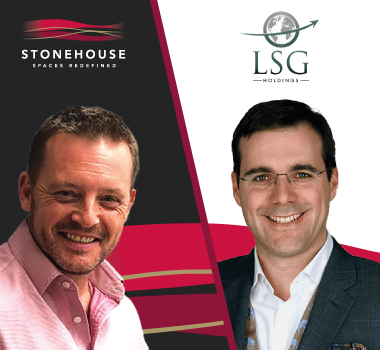
Stonehouse Projects and LSG Holdings Form Joint Venture – 2020

Stonehouse Projects Limited announces the formation of a joint venture with international investment group LSG Holdings with the aim of expanding its operations in the property development market.

LSG Holdings is a UK based single family office active in direct investments across real estate, private equity, and venture capital both in the UK and internationally. LSG has a history of backing successful SMEs and management teams in the Yorkshire region.

Following the completion of the deal, the Stonehouse team will be working alongside LSG’s MD Patrick Leoni Sceti to further strengthen the existing business and develop the group’s property investment and development arm. The Stonehouse brand will be retained going forward.

Commenting on the deal, Steve Waugh, Managing Director of Stonehouse Projects Limited said: “This is an exciting time for us all. Having worked with Patrick on many refurbishments and the hugely successful, award-winning development of the former birthplace of Joseph Rowntree, it was evident from the start that we had the same appetite for sourcing, developing, and delivering exceptional projects. The timely coming together of LSG Holdings and their unrivalled financial know-how together with their experience in backing successful SMEs combined with the knowledge and expertise of the Stonehouse team has given us a winning formula. By pulling on multiple years of well-honed skills and proficiencies across the group we can offer something quite unique”.

Adding to this from LSG, Patrick stated: “this joint venture strengthens LSG with an entrepreneurial founder backed by a strong team with a proven track record and a deep understanding of the refurbishment market. Financial know-how and the resources necessary to deploy this skill set on owned investment property is a formula that is an exciting blend of our collective knowledge and expertise. Having been clients of Stonehouse for a number of years we are very excited at the opportunity of taking this partnership to the next level”.